
Selling Rooms Before They Exist: 3D Visuals for Pre-Opening Marketing
Photorealistic renders let you market, presell and take early bookings while a property is still being built. They work when they are planned like a photoshoot, show the real design and are labelled as renders. They backfire when they promise a place that will not exist.
- For
- Before opening
- Published
- Reading
- 4 minutes
- By
- Aeterna Works
A hotel or villa that is still under construction has a marketing problem. There is nothing to photograph, but there is a lot to sell: rooms for the opening season, units to buyers, a project to investors, a story to the people who will follow it on Instagram.
Photorealistic 3D renders solve that problem. Done well, they show a place clearly enough that people can imagine staying there, or buying there, a year before it exists. Done badly, they create expectations the finished building cannot meet.
What renders are good for
Selling before completion. For villa and apartment developments sold off plan, renders are often the main thing a buyer sees before committing. They carry the decision.
Taking early bookings. A hotel can open its booking calendar months before opening if guests can see what they are booking.
Raising money and getting approvals. Investors, partners and lenders understand a render faster than a drawing.
Launching the website and Instagram early. You can build an audience during construction instead of starting from zero on opening day.
Making design decisions. Renders are also a design tool. Seeing a room with its real light and finishes, before anything is ordered, is far cheaper than changing it after it is built.
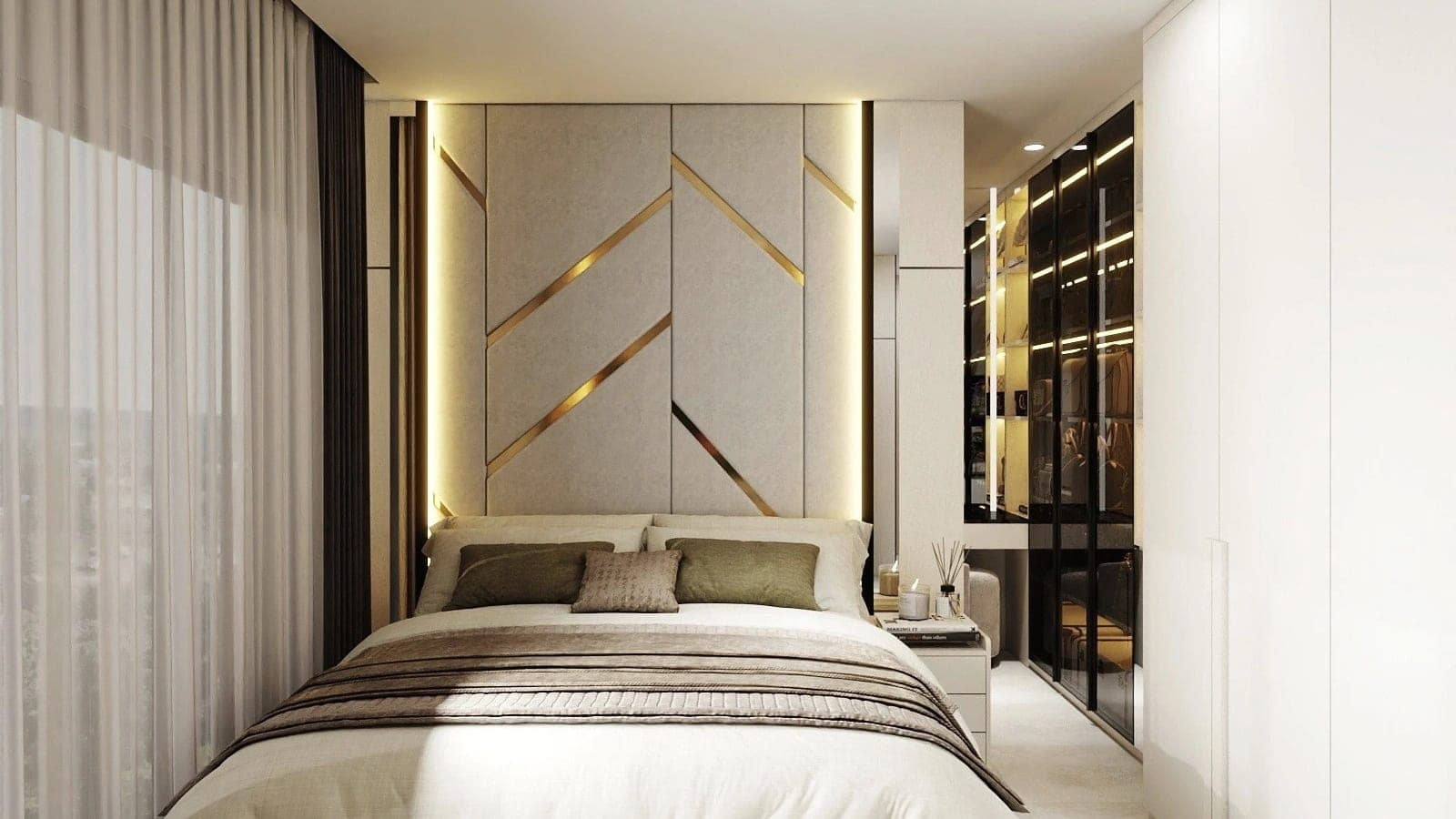
What makes a render believable
The renders that sell are the ones that look like photographs of a real place. That comes down to a few things.
- Real light. A room lit at a specific time of day, with the sun coming from the direction it actually will. Evening scenes with warm lamps often sell better than flat daylight.
- True materials. Timber that reads as timber, linen that creases, stone with variation. Materials are where cheap renders give themselves away.
- A human camera. Eye height, a normal lens, a viewpoint a photographer could stand in. Ultra wide angles that make a room look twice its size are easy to spot, and guests feel misled when they arrive.
- Styling. Books, a towel over a chair, fruit on the counter. A room that looks lived in is easier to imagine yourself in.
- A little imperfection. Perfectly clean, perfectly symmetrical scenes look like computer graphics, because they are.
Plan renders like a photoshoot
The most common waste in 3D work is rendering the wrong views. Before anything is modelled, write a shot list the way you would for a photographer.
Think about where each image will be used. The website hero wants a wide image. Instagram wants vertical ones. A sales brochure wants something that works in print. One view rarely suits all three, so plan the crops as well as the angles.
A typical first set for a villa or small hotel:
- The exterior or arrival, ideally at golden hour
- The signature space: the pool, the view, the lobby, the thing people will remember
- A bedroom, styled and lit for the evening
- A bathroom
- Two or three details: a material, a corner, a piece of joinery
What to send your 3D team
- Architectural drawings: plans, sections and elevations
- The interior design scheme and the material and finish schedule
- Furniture and lighting choices, with links or product codes where you have them
- Site photos and orientation, so the light falls the way it will in reality
- The brand guidelines, if you have them
- The shot list, with where each image will be used and in what format
- The deadline, and the date the first images are needed for
Stay honest: label them
Renders are a promise. The closer the finished place is to them, the better they work for you, and the further it is, the more they cost you in reviews and disputes.
Three rules keep them honest:
- Label them. "3D render" or "artist’s impression" in the caption, on the website and on Instagram. Guests and buyers accept renders. They do not accept being misled.
- Render what is actually being built. If the design changes, update the images. A render of a pool that was cut from the budget is a problem waiting to happen.
- Replace them with photographs. Once the place is finished, real photography should take over everywhere guests decide to book.
We hold our own work to the same rules. The UPPF booth case study says which images are renders, and our Apartment Interiors set is marked as a concept that has not been built.
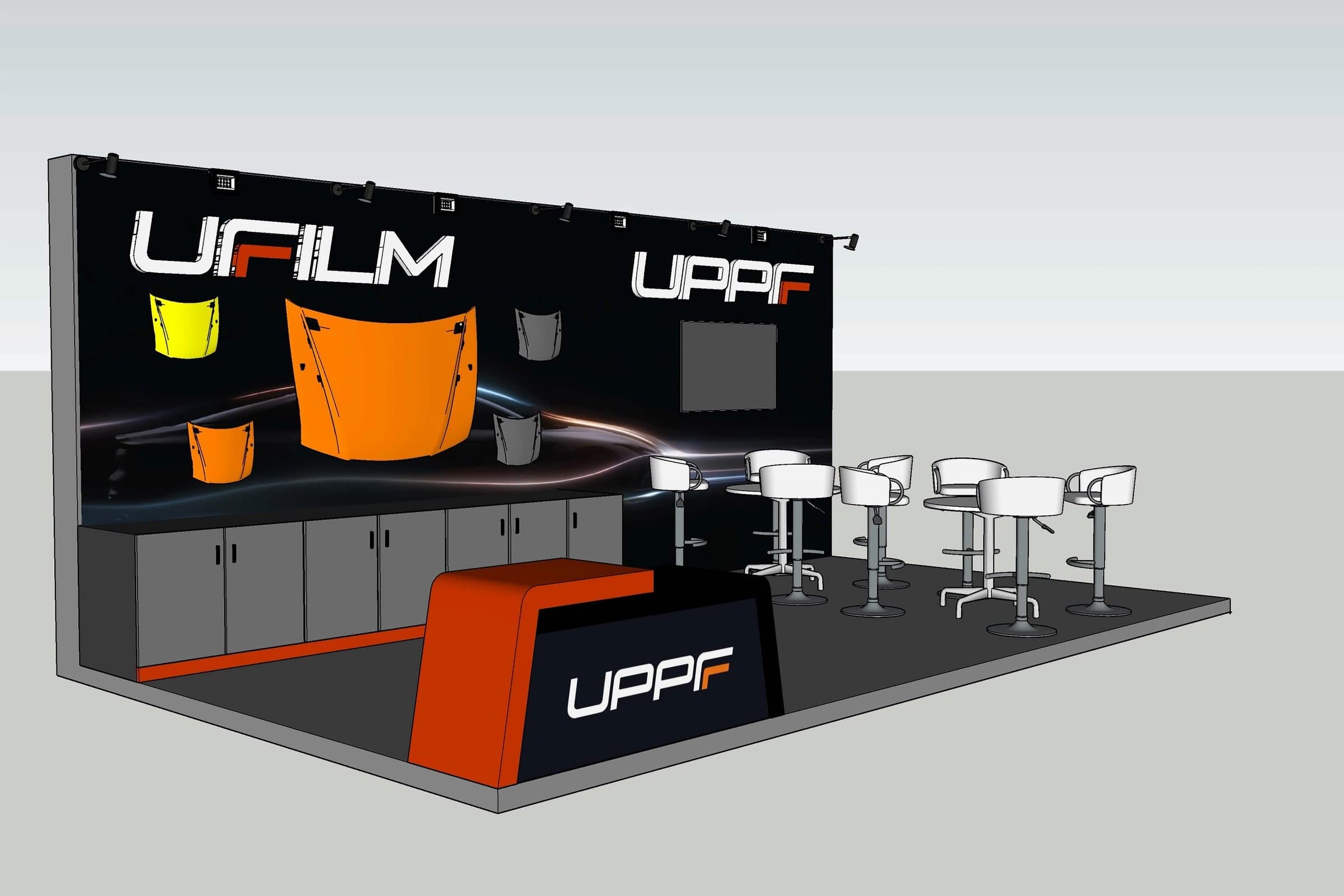
From render to photograph
The best moment to plan the opening photoshoot is when the renders are being made. The same shot list can guide both, so the photographs that replace the renders show the same views. Your website and your listings then change from render to photograph without guests noticing a different place.
This is where our disciplines meet. Renders and photography both sit under Lens, and the website they live on under Screen. The UPPF booth at GIIAS Bandung went the full way, from our renders to a stand built for the show.
From the studio
If you have drawings and an opening date but nothing to show yet, write to us with what you have. We can tell you which images would do the most work.